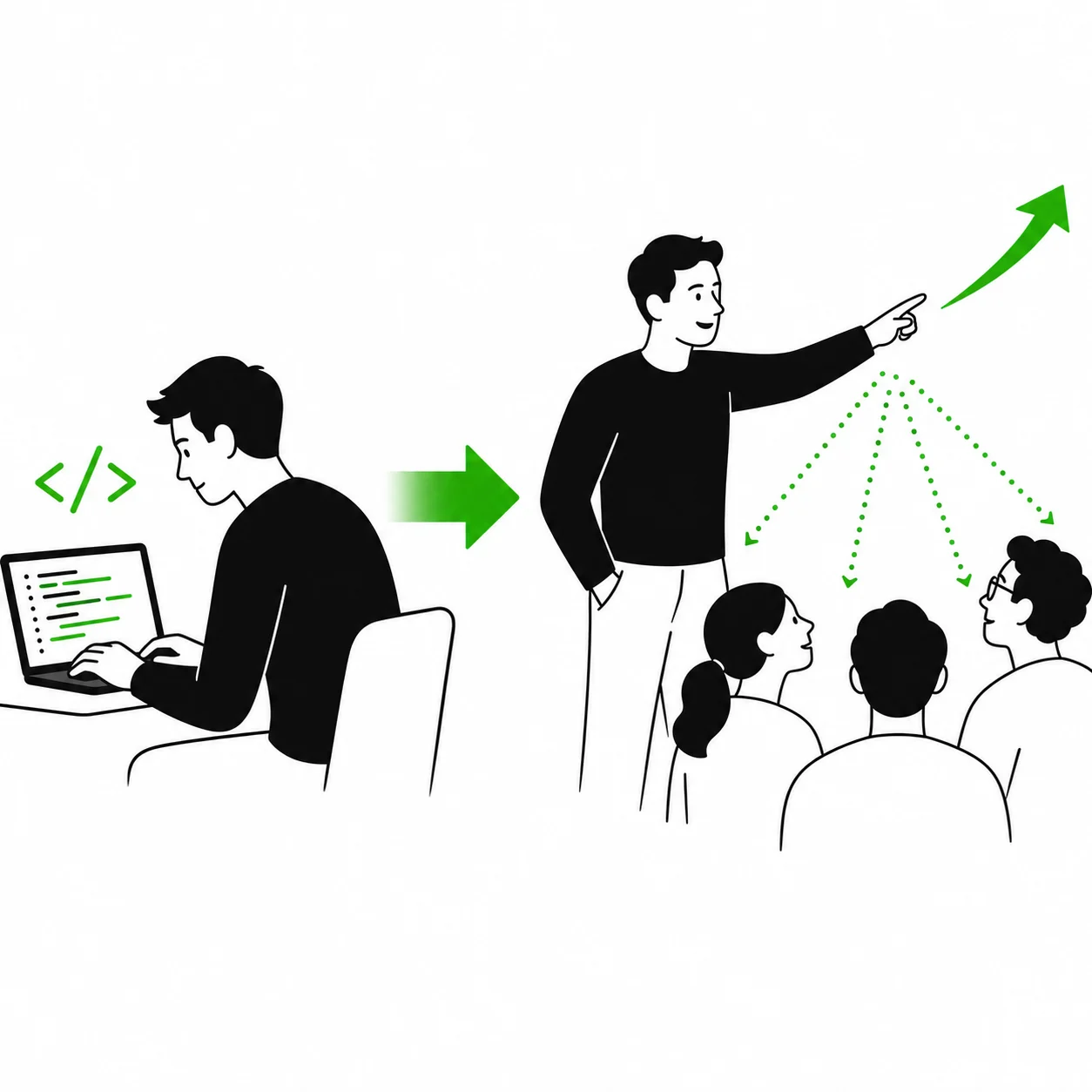
Why Engineers Struggle as Tech Leads
The leadership shift nobody prepares you for.
Former N26 CTO Pat Kua on the mindset shift from maker to multiplier, why strong engineers struggle as tech leads, and how to lead with more impact.

For
You're leading the team you were recently part of.
The skills that got you here are not the ones that keep a team healthy. Most of the job is now conversations nobody trained you for.
Drawn from these themes

The leadership shift nobody prepares you for.
Former N26 CTO Pat Kua on the mindset shift from maker to multiplier, why strong engineers struggle as tech leads, and how to lead with more impact.

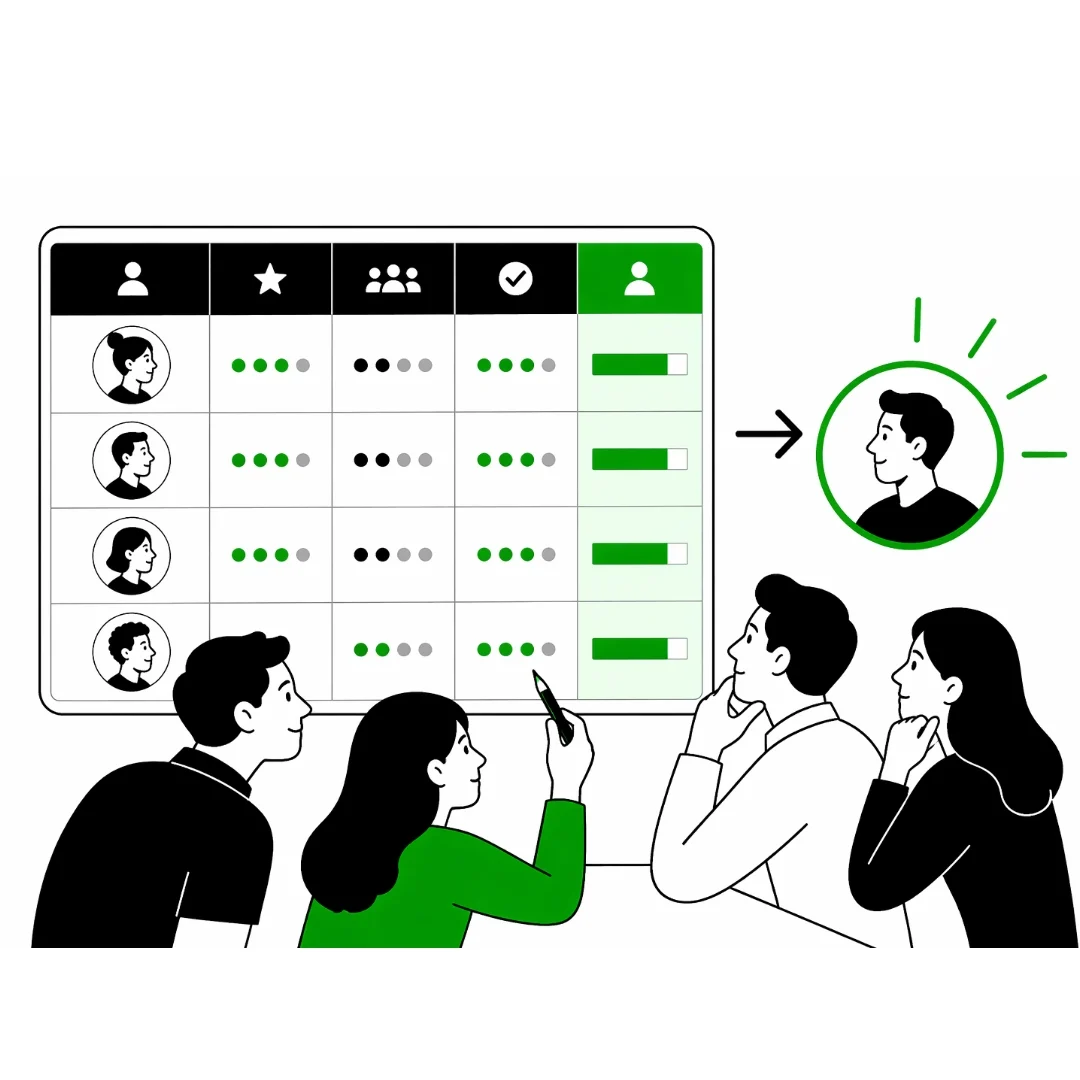
The debrief techniques that stop groupthink and the loudest voice from winning.
Why the interview debrief matters more than the interview itself: Sean O'Neill on blind voting, avoiding groupthink, and making the final call.

A former Amazon Bar Raiser’s method for separating real skill from a good performance.
Former Amazon Bar Raiser Sean O'Neill reveals the interview questions that separate real skill from a rehearsed answer, using the STAR method and experiential questioning.

Why tech leaders hit the wall, and how they find their way back.
Andy Skipper, CEO of CTO Craft, on how tech leaders recognise burnout, recover from it, and build healthier leadership environments.

Digital exclusion, the Triple Bottom Line, and what leaders can do.
Freddie Quek on digital exclusion and the Triple Bottom Line — why 30% of people being offline affects all of us, and what leaders can do.

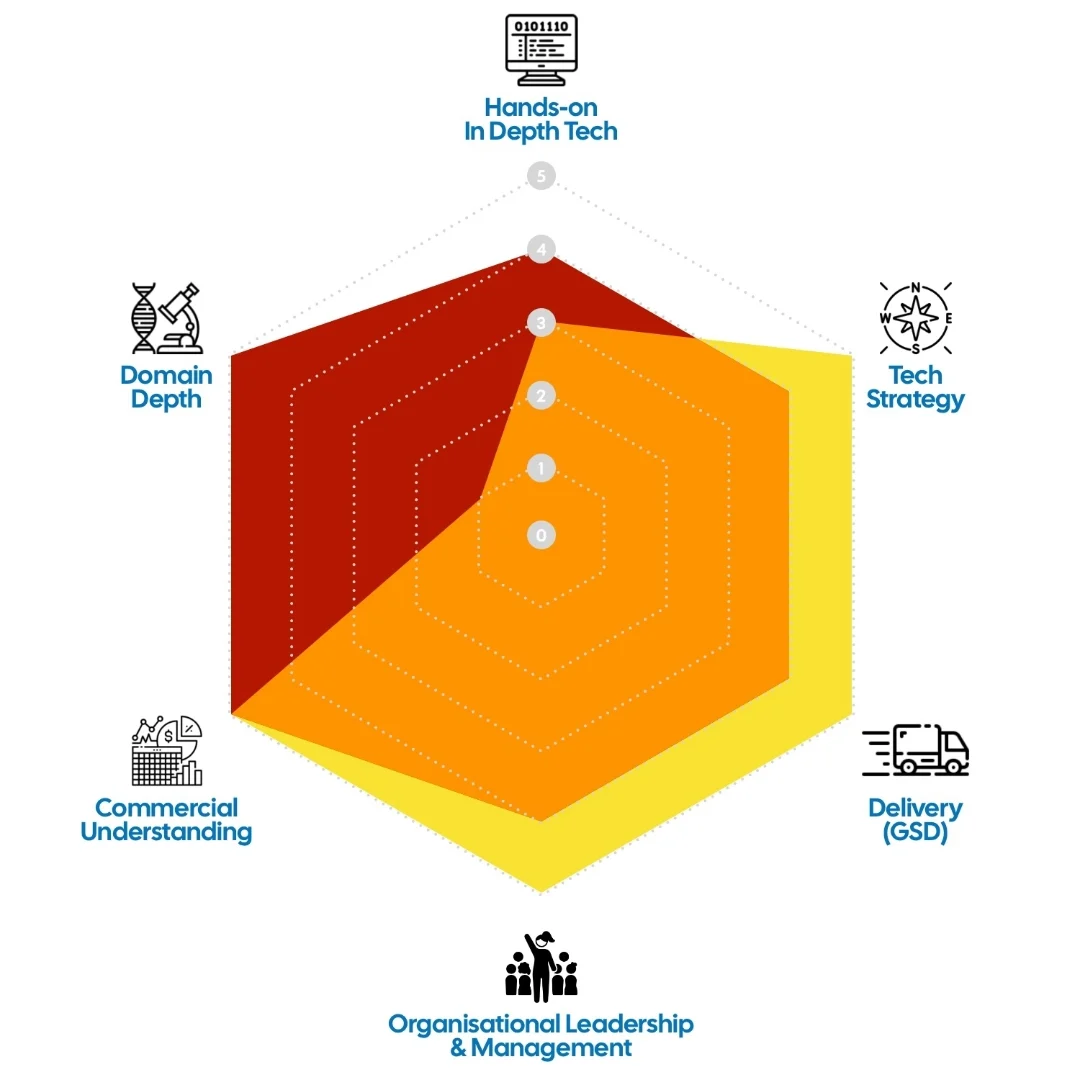
Where you stand today, and the route to director or CTO.
Meri Williams on the six core skills of technical leadership, how to assess your capabilities, and plan a route to engineering director or CTO.

Why hard work stops working, and what high-impact leaders do instead.
Giorgos Ampavis on the five levels of high-impact leaders, why hard work stops working, and the shifts that raise impact without burnout.

The leadership skills carers bring, and why employers miss them.
Leadership coach Kirsten Hurley on carers at work: the hidden leadership skills they bring, and how employers can support and retain them.

How to turn a bold plan into collective action across the company.
Learn how to launch a company strategy that lands so everyone understands, owns, and delivers it with clarity and momentum.

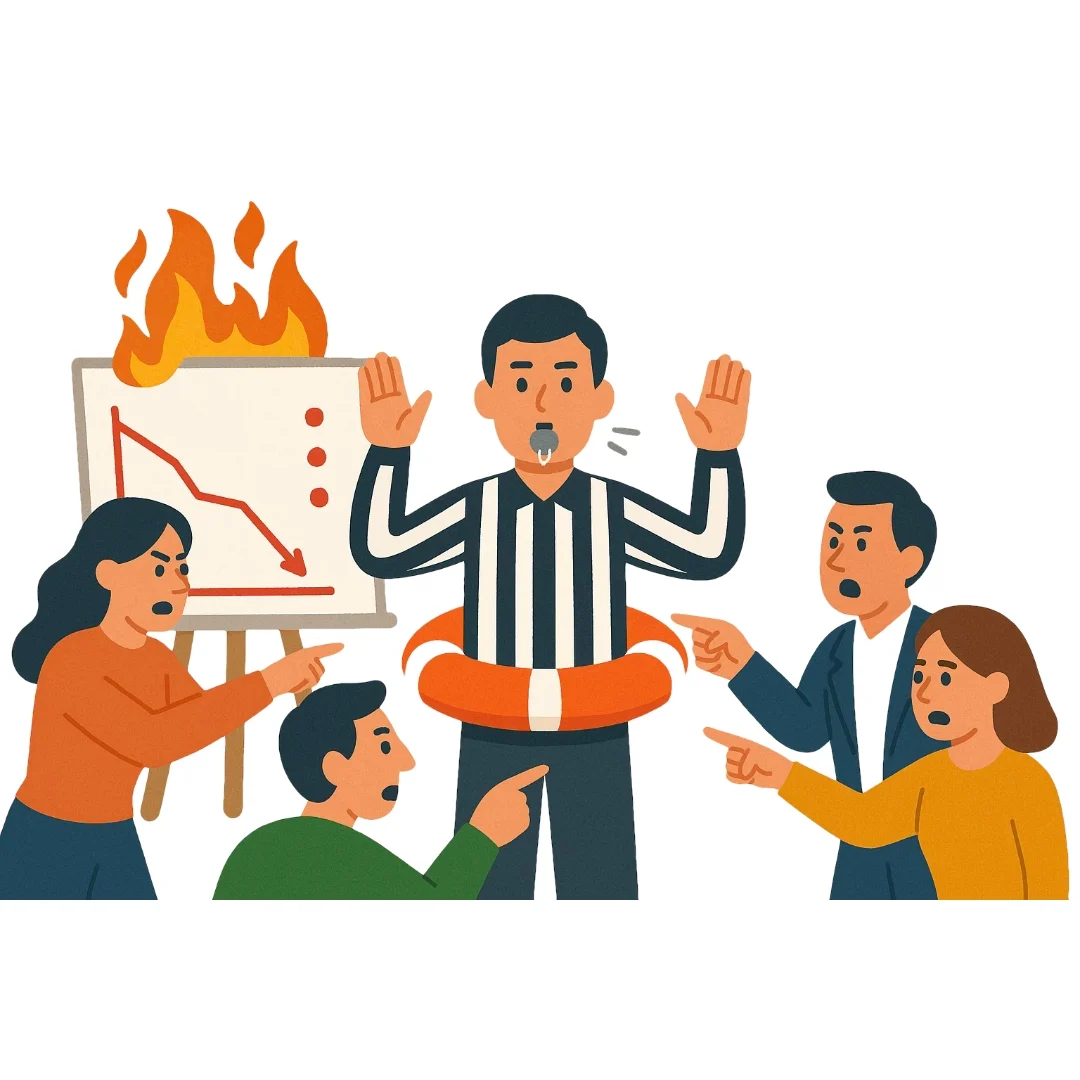
How to regain control, rebuild trust, and deliver under pressure.
Turnaround leader David Crawford’s five steps: spot risk early, stabilise delivery, reset stakeholder trust and ship under pressure.

How to get 15 minutes with a senior leader’s diary and make it count.
Cheryl Warlow’s playbook: earn the time, write emails leaders act on, lead with the recommendation, and handle tough questions in the boardroom.

The See-Think-Feel-Intent method for feedback that lands without defensiveness.
Coach Clem Pickering on timing, wording and See-Think-Feel-Intent, a feedback playbook that makes 1:1s and reviews actually work.

Forget posters and slogans. Build a culture that works.
Alya Lilani on turning values into daily behaviours that improve hiring, retention and performance: how to define, embed and live them.

How to get results without burning people out.
Coach Charlotte Rooney on balancing results and relationships: clear expectations, kind candour and simple rituals that build momentum.
Free, ungated, and written by the guests themselves.
Pat Kua’s free worksheet: five questions that move engineering leaders from writing code to multiplying the team’s impact through delegation.

Tom Day’s template for aligning a team before a project starts: roles, objectives, values, ways of working and what success actually looks like.

Tom Day’s template for telling your team how you work: strengths, communication preferences and motivations. Build trust before conflict starts.

Ben Pearce’s AOREN framework for explaining technical ideas clearly: structure presentations, influence stakeholders and drive action.

Capture interview feedback, run blind voting and compare candidates in a structured debrief that reduces bias and improves hiring decisions.

Andy Skipper of CTO Craft on recognising burnout early, recovering from it, and building leadership environments that don’t cause it.

Meri Williams’ tool for mapping technical leadership skills, spotting development areas and comparing roles, for engineers through to CTOs.

A self-assessment for breaking the effort ceiling. Find your level among the five levels of high-impact leaders and work smarter, not longer.

Recognise and support carers at work: the challenges they face, the leadership strengths they bring, and what employers can actually do.

Andy Toor’s toolkit for turning strategy into action: conversation guides, manager scripts and weekly reflection tools your team will use.
David Crawford’s five-step system for rescuing troubled projects: spot the warning signs, stabilise delivery and rebuild progress.
A simple five-measure tracker to help leaders regain control, rebuild trust, and deliver results on failing projects. Used by turnaround expert David Crawford.

Cheryl Warlow’s playbook for communicating with senior leaders: earn attention, structure messages that land, make every interaction count.

Clem Pickering’s models, frameworks and habits for giving and receiving feedback that builds trust and actually improves performance.

Alya Lilani’s toolkit for defining, selecting and activating company values, turning abstract principles into daily behaviours.
Most people sit between two of these. Have a look at the others.
You're good at the work. Now you want the next thing.
You can ship. What's less obvious is how careers actually move: who notices, what to say, and which of the thousand things people tell you is worth acting on.
Your job is now other people's decisions, not just your code.
Above senior, the work stops being what you build and starts being what you can get a room to agree on. Nobody hands you the authority to go with it.
You set the direction, and own it when it doesn't land.
At this level the hard part isn't deciding. It's getting an organisation to act on the decision, hire against it, and keep going when it becomes inconvenient.
You're building the thing and running the business around it.
Nobody sets your priorities and nobody covers for you. The work is deciding what to raise, what to build, who to sell to, and how to keep going.
New episode every other Tuesday. Follow on the platform you already use — it's the only thing we ever ask.